What challenge are you solving?
Pick the question closest to your work. We'll suggest a starting book and a practical sequence through the four-book series.
Enterprise architect
Lead with architectural guardrails, then connect autonomy to governance and operations.
 Recommended starting point
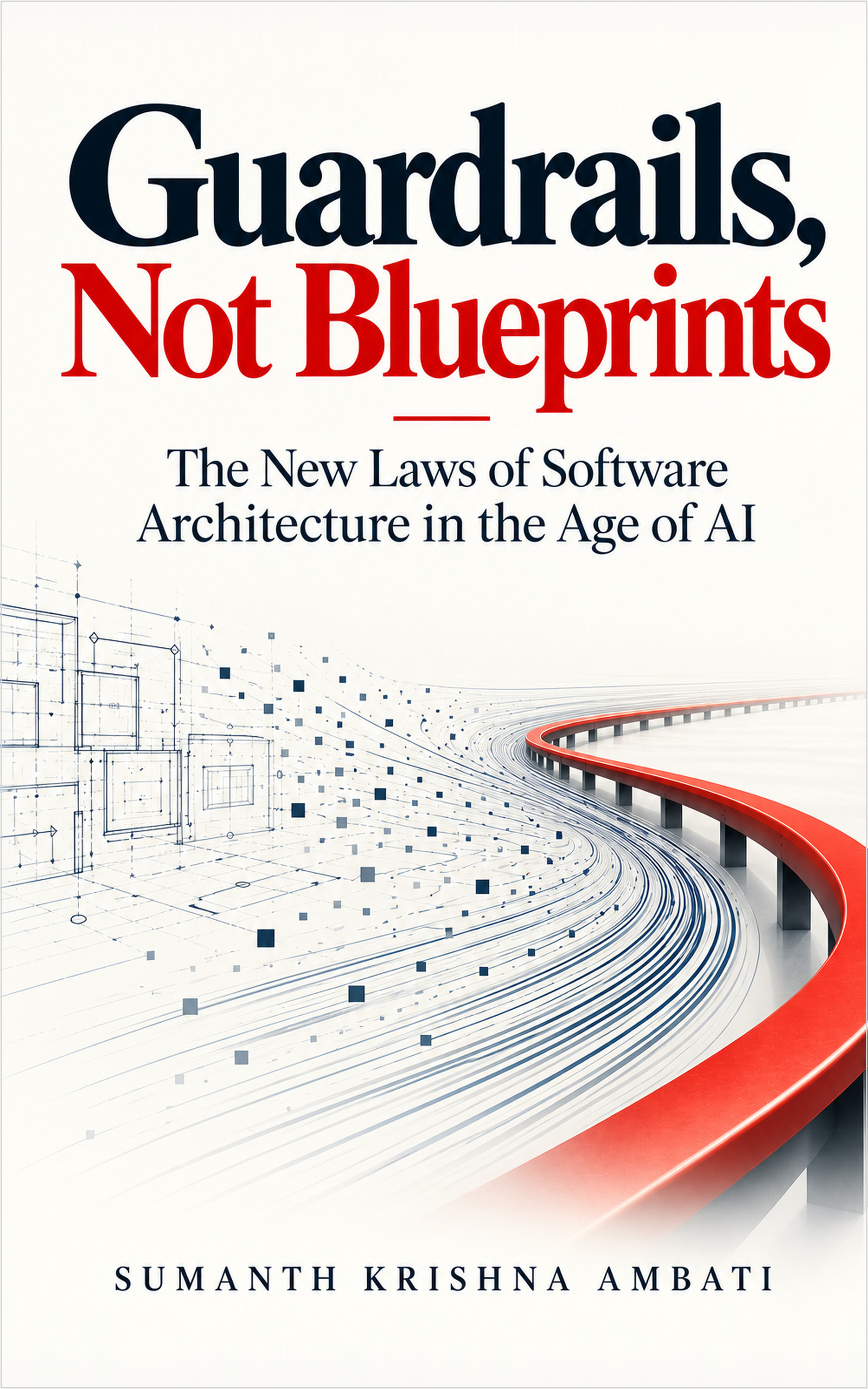
Guardrails, Not Blueprints
When code becomes cheap, architecture must govern what is allowed to be built.
Explore book →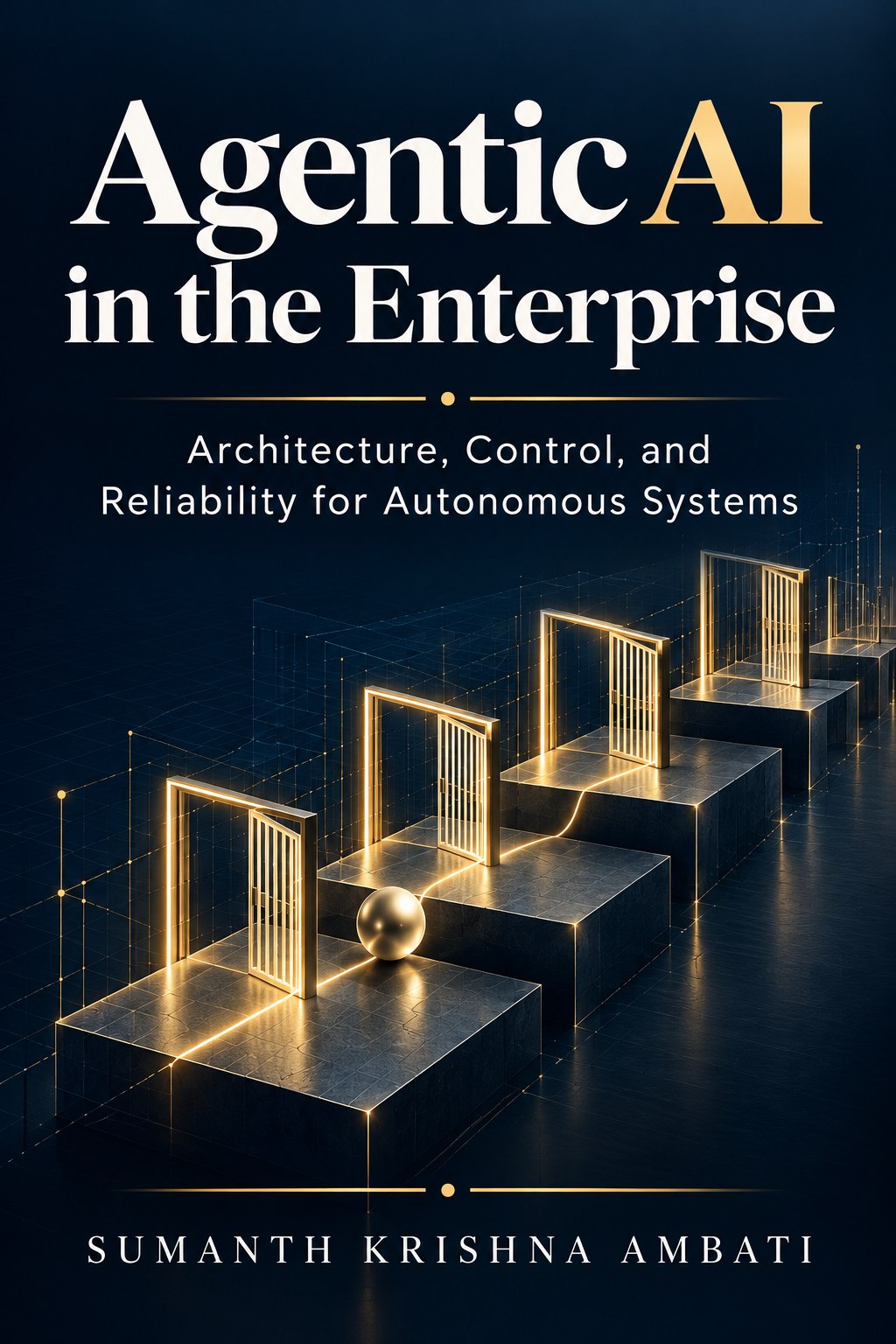 Step 2
Agentic AI in the Enterprise
Autonomy needs boundaries, approvals, and reliability—not just capable models.
Explore book →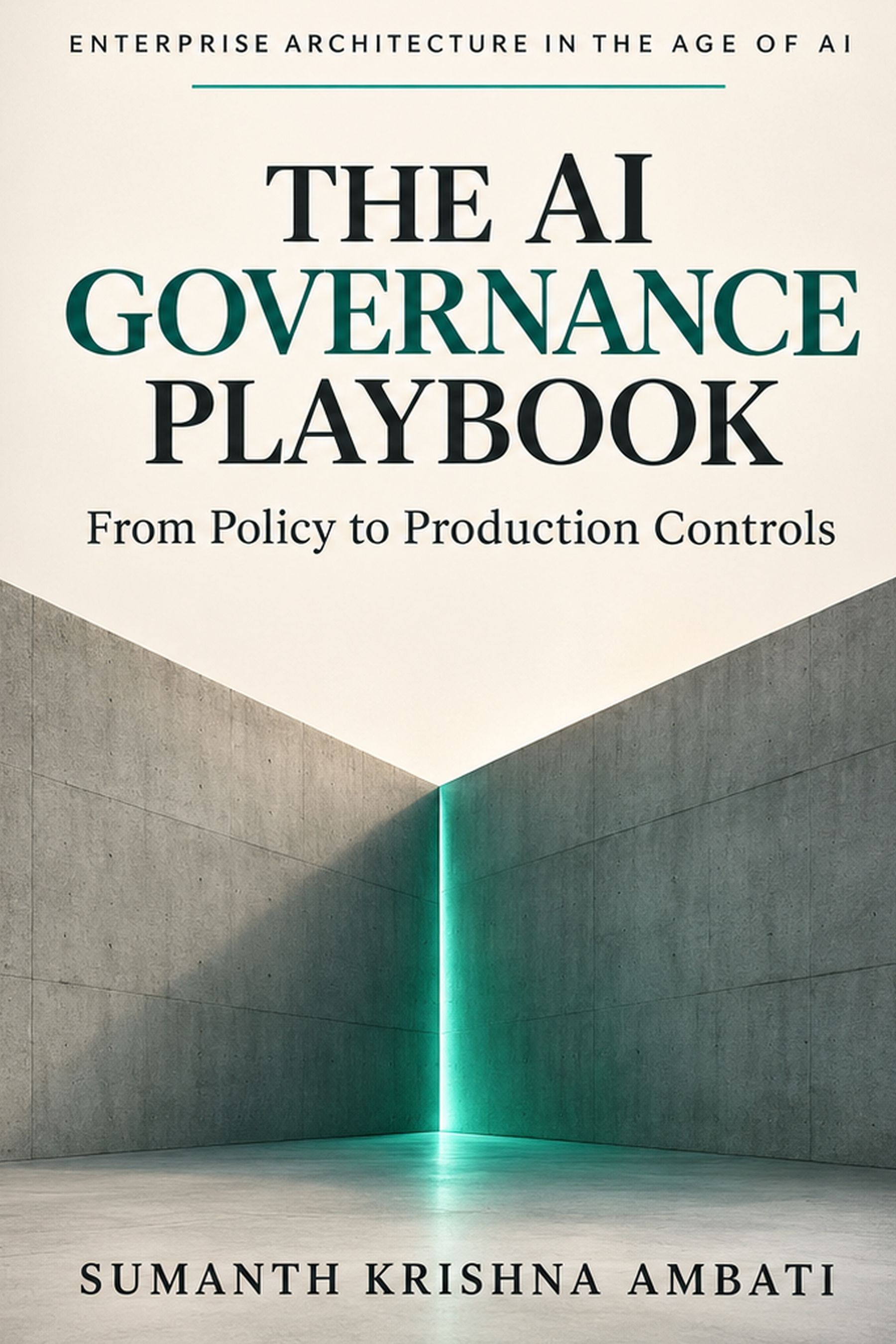 Step 3
AI Governance Playbook
Make AI oversight operational through ownership, controls, and evidence.
Explore book →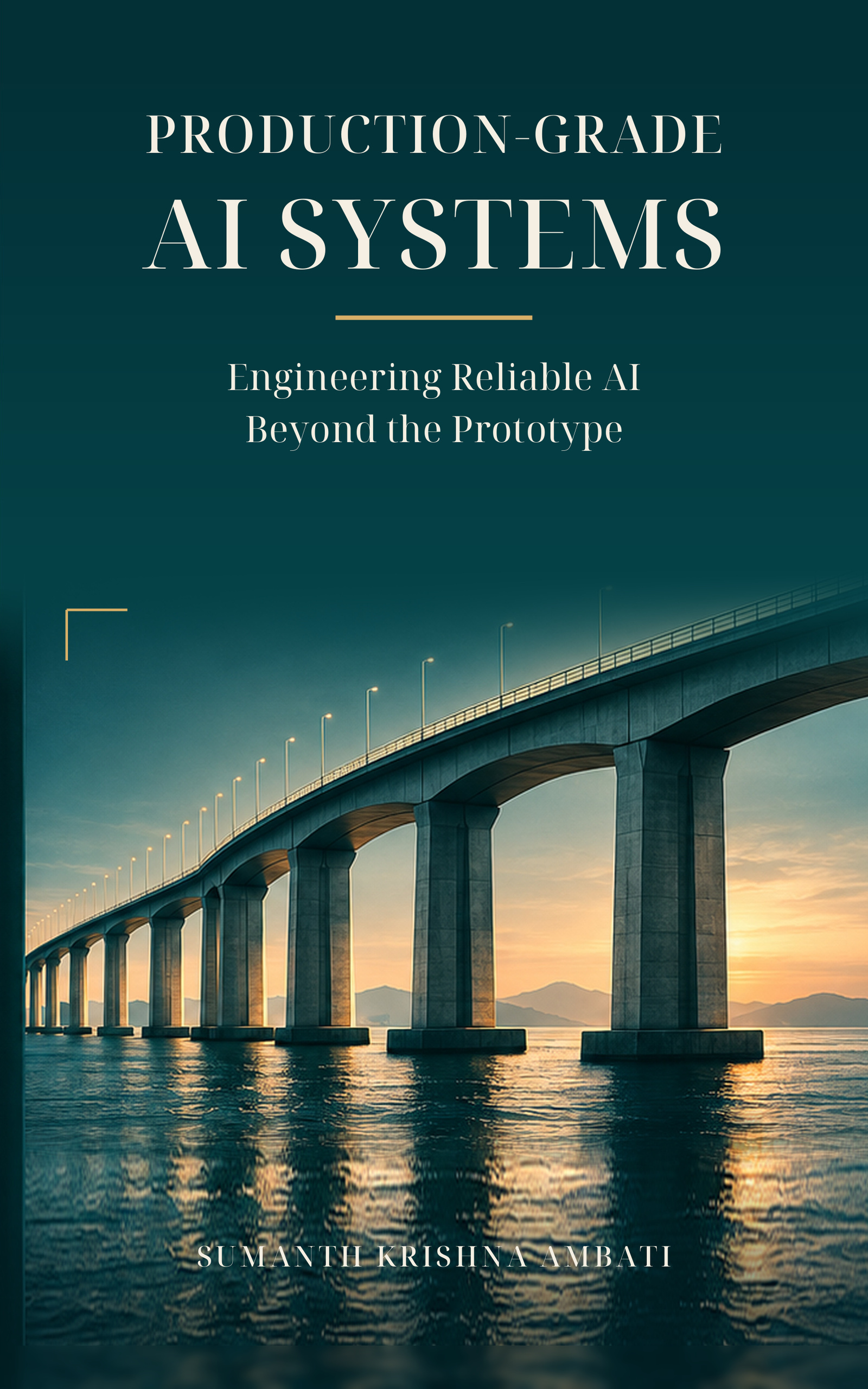 Step 4
Production-Grade AI Systems
Build AI systems that can be operated, monitored, and improved in production.
Explore book →
AI engineering leader
Start with agent design and production reliability, then widen to architecture and controls.
- Recommended starting point
Agentic AI in the Enterprise
Autonomy needs boundaries, approvals, and reliability—not just capable models.
Explore book → - Step 2
Production-Grade AI Systems
Build AI systems that can be operated, monitored, and improved in production.
Explore book → - Step 3
Guardrails, Not Blueprints
When code becomes cheap, architecture must govern what is allowed to be built.
Explore book → - Step 4
AI Governance Playbook
Make AI oversight operational through ownership, controls, and evidence.
Explore book →
Governance & risk leader
Begin with operational governance and trace controls into architecture and implementation.
- Recommended starting point
AI Governance Playbook
Make AI oversight operational through ownership, controls, and evidence.
Explore book → - Step 2
Guardrails, Not Blueprints
When code becomes cheap, architecture must govern what is allowed to be built.
Explore book → - Step 3
Agentic AI in the Enterprise
Autonomy needs boundaries, approvals, and reliability—not just capable models.
Explore book → - Step 4
Production-Grade AI Systems
Build AI systems that can be operated, monitored, and improved in production.
Explore book →
Suggested paths are editorial guidance based on each book's focus—not required prerequisites.